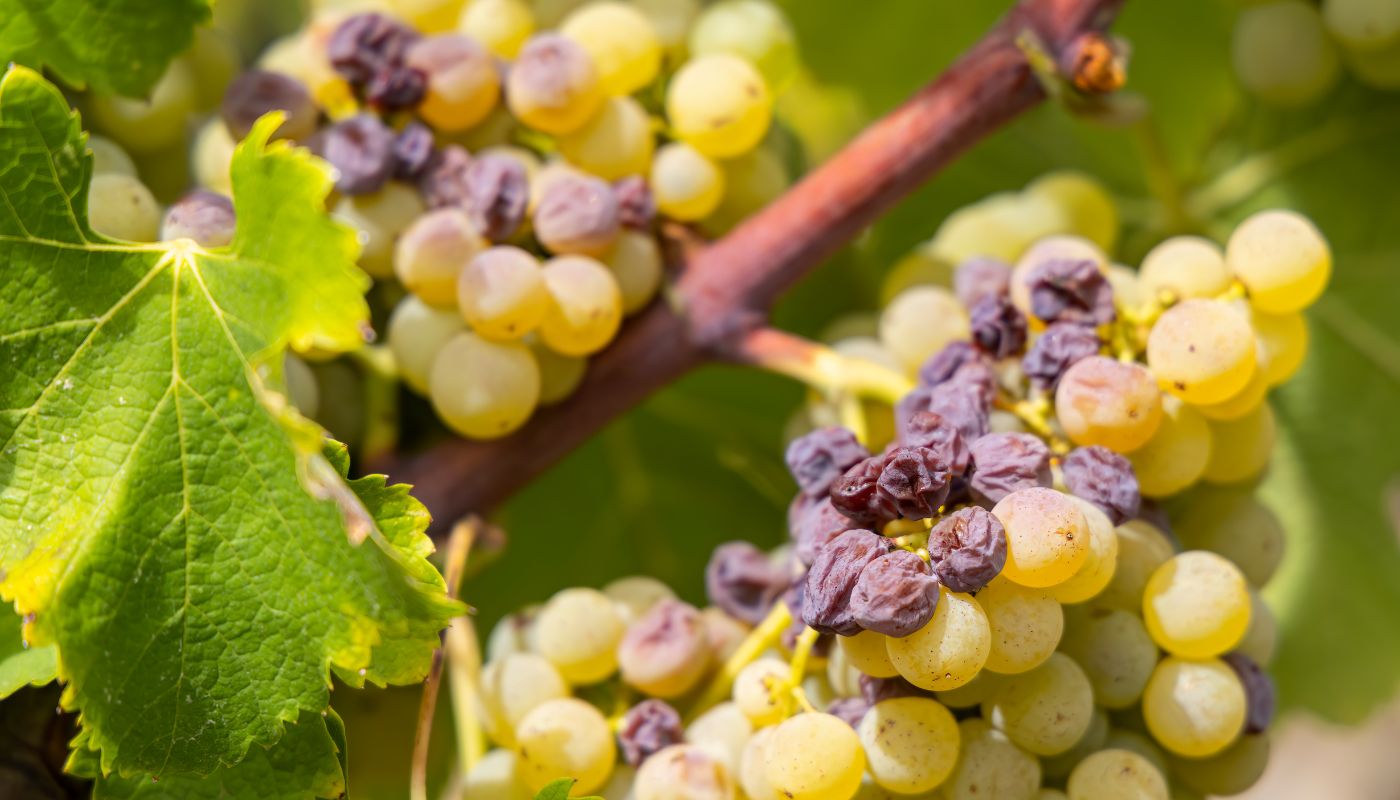
Comprehensive Guide to Botrytis (Gray Mold)
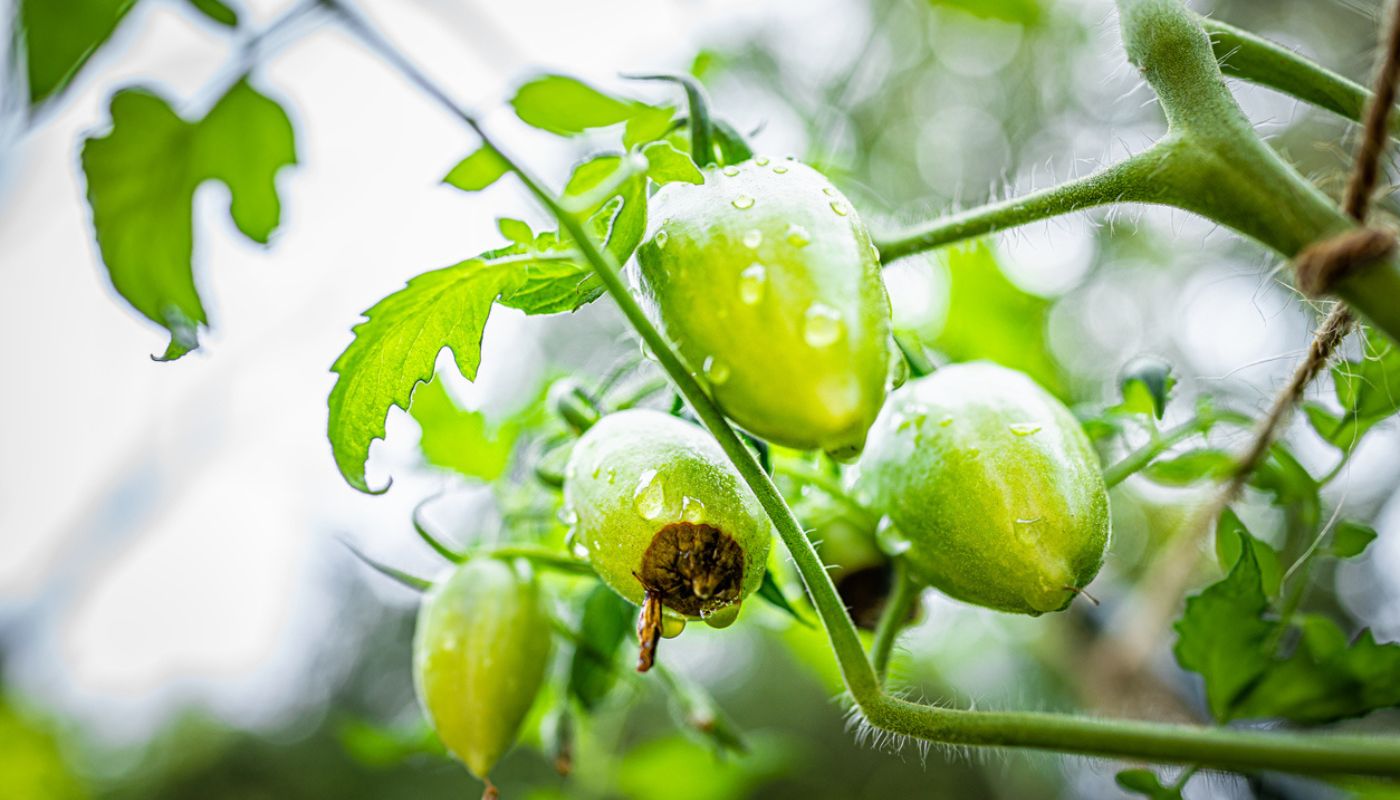
Botrytis, commonly known as gray mold, is a fungal disease that affects a wide range of plants, from fruits and vegetables to ornamental flowers. It’s particularly destructive in humid conditions, causing significant damage to crops and reducing yields. This guide explores the causes, prevention, and treatments for botrytis to help gardeners and farmers manage this challenging disease.
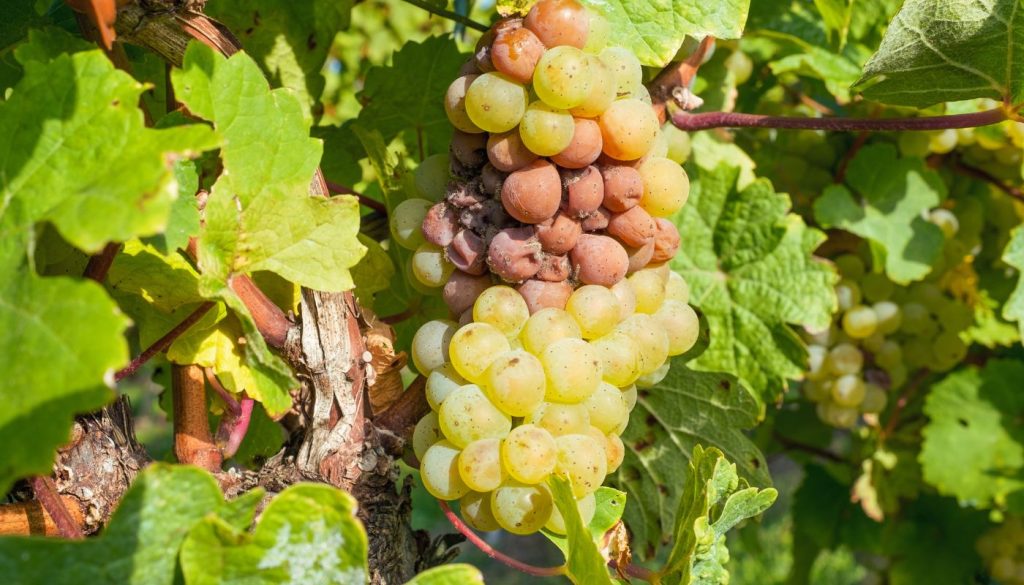
The Ideal Climate for Botrytis Development
Botrytis thrives in cool, damp conditions where humidity levels are consistently high. The ideal conditions for its development include:
- Temperature: Between 18°C and 23°C (64°F to 73°F).
- Humidity: Relative humidity above 85% creates an environment conducive to fungal growth.
- Other Factors: Poor air circulation, overwatering, and shaded areas increase susceptibility.
Recommended Hygrometry
- Optimal Level: Maintain humidity below 60% in greenhouses to minimize risk.
- Ventilation: Ensure proper airflow to keep plant surfaces dry.
Causes of Botrytis
Botrytis is primarily caused by the fungus Botrytis cinerea. Key factors contributing to its spread include:
- Spores: Spread through wind, water splashes, and contaminated tools.
- Injuries: Entry points created by wounds, pruning cuts, or pest damage.
- Environmental Stress: Prolonged wet conditions and overcrowded plants.
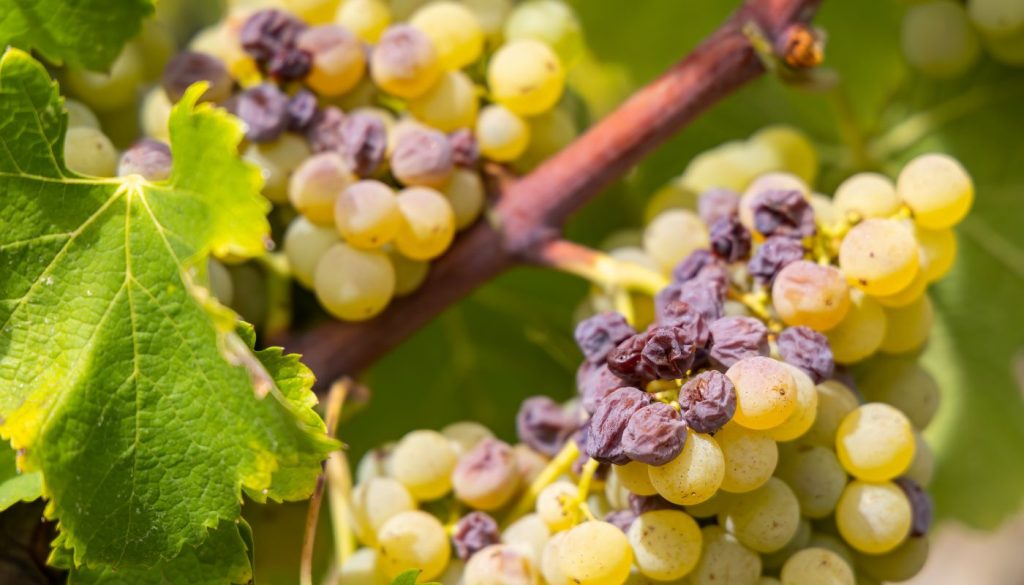
Prevention of Botrytis
Effective prevention strategies include:
1. Good Hygiene Practices
- Remove and destroy infected plant material promptly.
- Disinfect tools regularly to avoid cross-contamination.
2. Plant Spacing
- Space plants adequately to improve airflow and reduce humidity.
3. Avoid Overwatering
- Water plants at the base and avoid wetting foliage.
4. Resistant Varieties
- Choose plant varieties that are less susceptible to botrytis.
Solutions for Treating Botrytis
Natural Remedies
- Garlic Spray
- Blend garlic with water, strain, and spray on affected areas.
- Potassium Bicarbonate
- Mix with water and apply to slow fungal growth.
Biological Controls
- Trichoderma: A beneficial fungus that combats botrytis.
- Bacillus subtilis: A microbial solution effective in controlling gray mold.
Chemical Fungicides
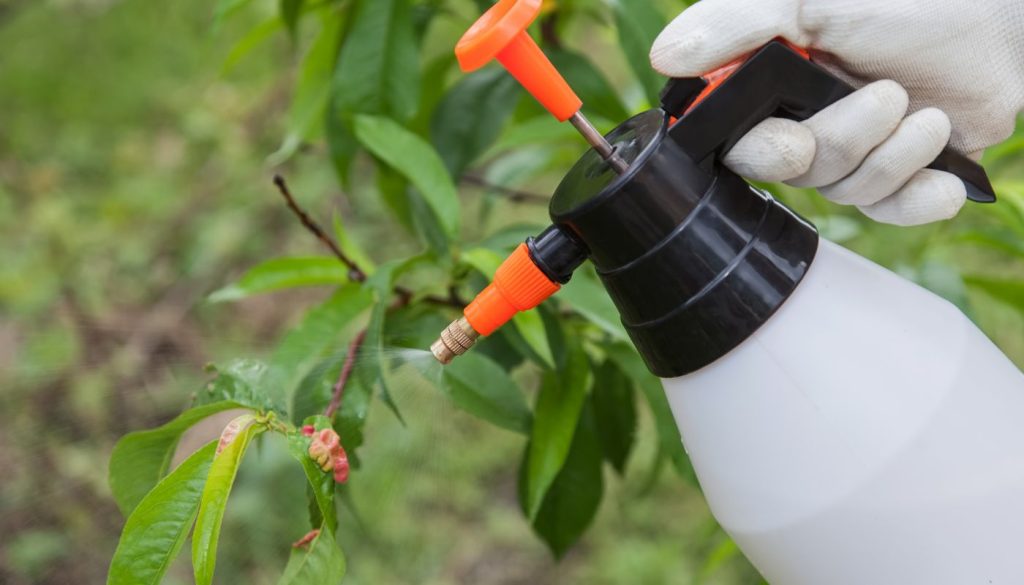
- Use fungicides containing boscalid or cyprodinil for severe infestations. Follow label instructions carefully.
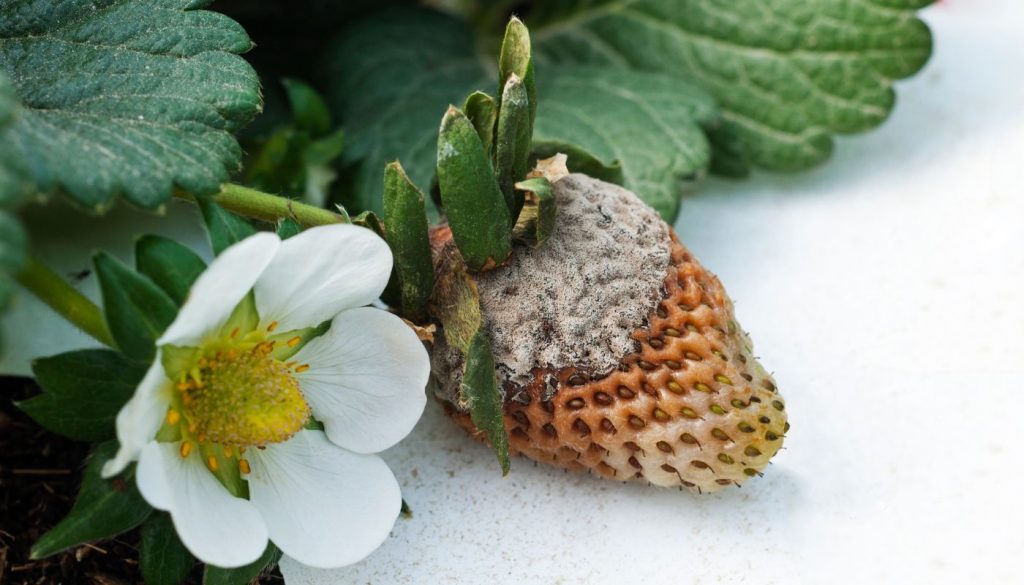
Popular Case: Botrytis (Gray Mold) in Strawberries
Strawberries are highly susceptible to botrytis, especially in wet climates. The fungus causes fruit rot, rendering strawberries unmarketable. Farmers often use plastic mulches, drip irrigation, and fungicides to manage outbreaks.
Plants Affected by Botrytis (Gray Mold)
To enhance the SEO of this guide, here’s a list of plants commonly affected by botrytis:
Vegetables
- Lettuce
- Tomatoes
- Peppers
- Carrots
- Beans
Fruits
- Grapes
- Strawberries
- Blueberries
- Raspberries
- Apples
Ornamental Plants
- Roses
- Lilies
- Geraniums
- Petunias
- Begonias
Botrytis is a destructive fungal disease that requires proactive management. By maintaining proper hygiene, ensuring adequate ventilation, and using effective treatments, you can reduce its impact on your plants. Whether you’re growing strawberries, roses, or tomatoes, these strategies will help protect your crops and enhance their productivity.