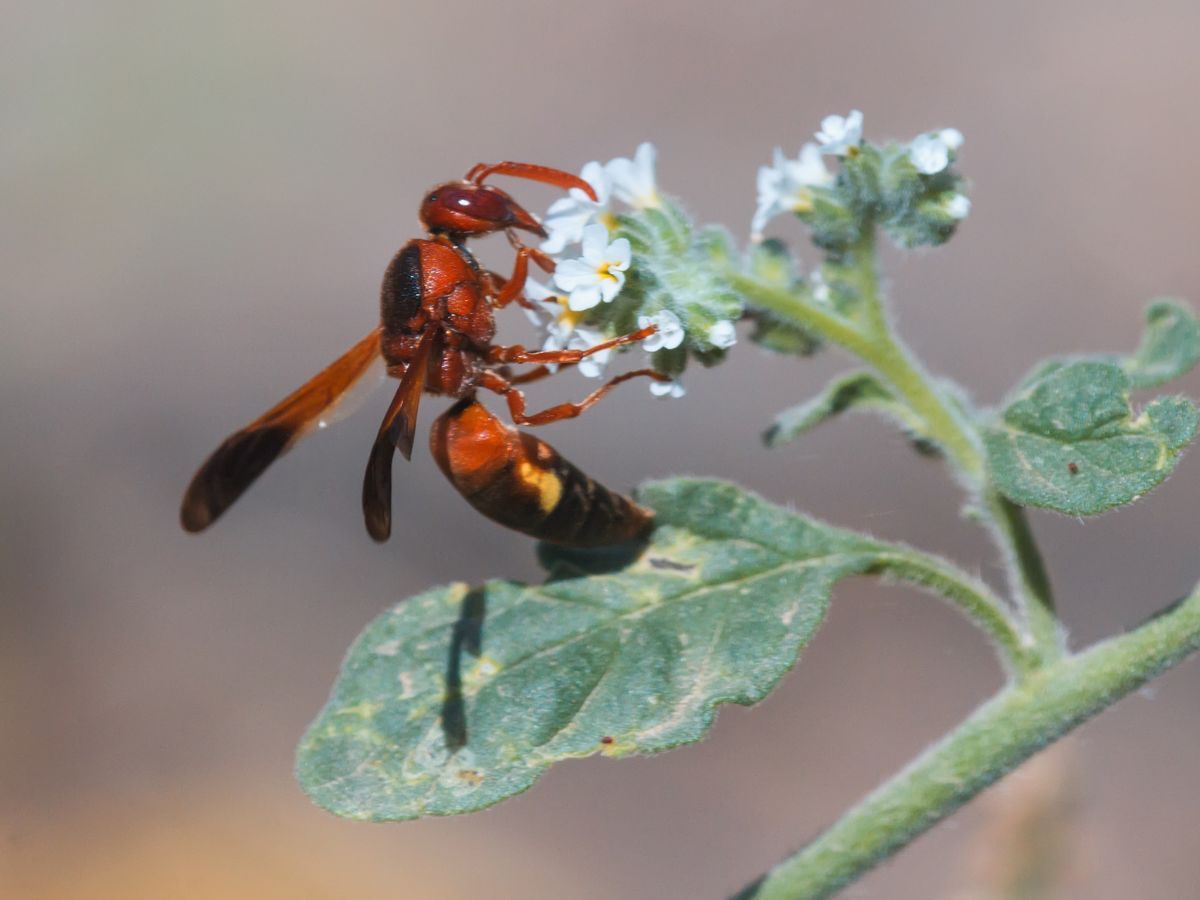
Understanding the Role of Pollinating Insects in Your Garden: Why They Matter
Pollinating insects play a crucial role in the ecosystem of your garden, contributing significantly to its health, productivity, and beauty. These industrious creatures, which include bees, butterflies, moths, beetles, and even some birds and bats, are responsible for the pollination of a vast majority of flowering plants. This process is vital for the reproduction of these plants, leading to the production of fruits, seeds, and the next generation of plants. Without the diligent work of these pollinators, our gardens would be less vibrant and less productive.
The importance of pollinators extends beyond the boundaries of our gardens. They are essential for the pollination of many of the fruits, vegetables, and nuts that make up a significant portion of our diets. In fact, it is estimated that one out of every three bites of food we eat is made possible by pollinators. Moreover, they also play a critical role in the pollination of plants that provide habitat and food for wildlife, contribute to clean air, and stabilize soils.
However, pollinators are facing numerous challenges that threaten their survival. Habitat loss, pesticide exposure, diseases, and climate change are all factors that have led to the decline of many pollinator populations. This decline has serious implications for the health of our gardens and our broader ecosystems.
Given the importance of pollinators and the threats they face, it is crucial that gardeners take steps to attract and support these creatures. There are several strategies that can be employed to make your garden more pollinator-friendly.
Firstly, planting a variety of flowering plants can provide a steady source of nectar and pollen for pollinators. Try to select plants that bloom at different times of the year to ensure that pollinators have access to food throughout the seasons. Native plants are often a good choice as they are well-suited to the local climate and soil conditions, and are likely to attract native pollinators.
Secondly, reducing or eliminating the use of pesticides can help protect pollinators from harm. Many pesticides are toxic to pollinators and can have detrimental effects on their health and populations. If pests become a problem in your garden, consider using organic or less harmful methods of pest control.
Thirdly, providing habitat for pollinators can also help support their populations. This can be as simple as leaving a patch of your garden undisturbed for ground-nesting bees, or as involved as installing a bee hotel for solitary bees.
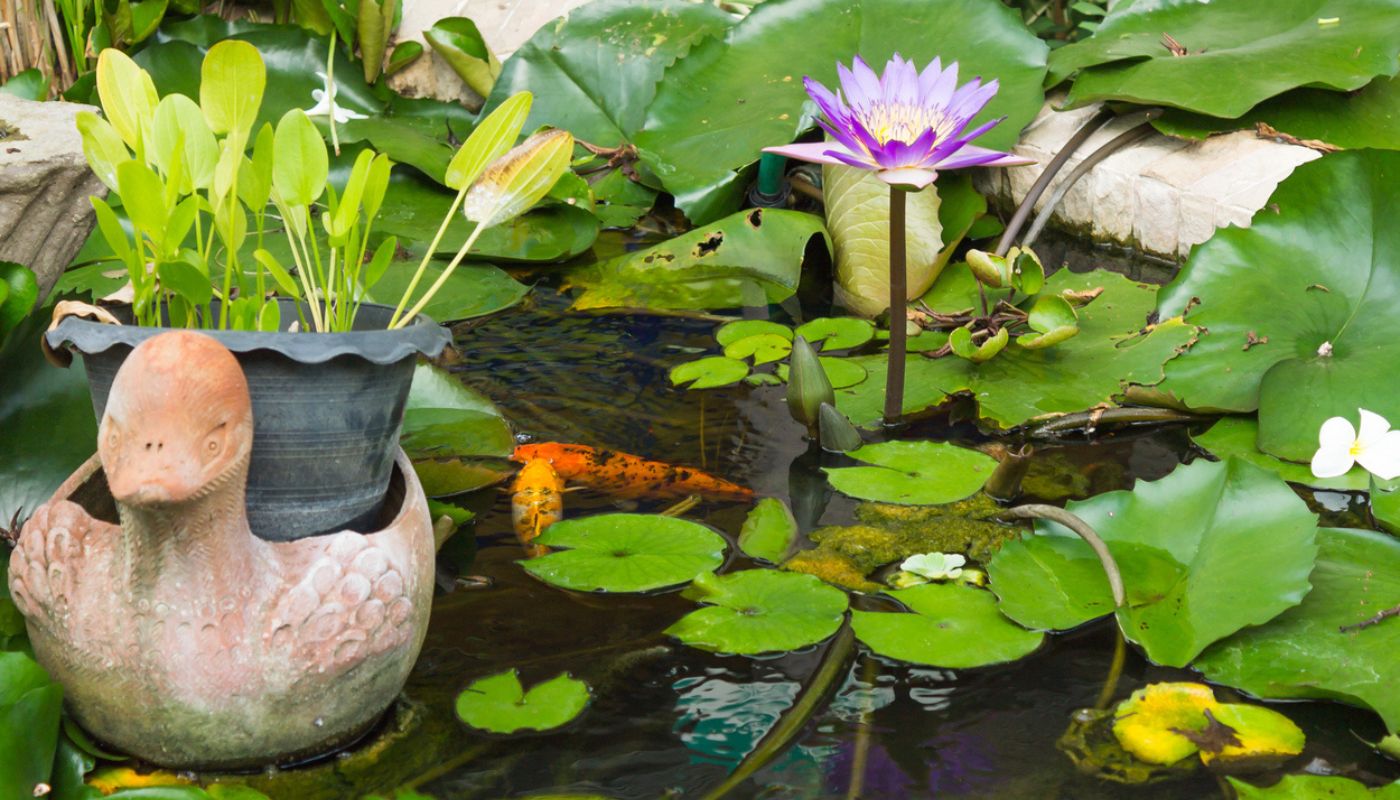
Lastly, providing a source of clean water, such as a shallow dish or birdbath, can also be beneficial for pollinators. Just like us, these creatures need water to survive.
Pollinators play a vital role in our gardens and our broader ecosystems. By understanding their importance and taking steps to support them, we can contribute to the health and productivity of our gardens, and help ensure the survival of these essential creatures. So, the next time you see a bee buzzing around your flowers, take a moment to appreciate its hard work and consider what you can do to make your garden a welcoming place for these invaluable garden helpers.
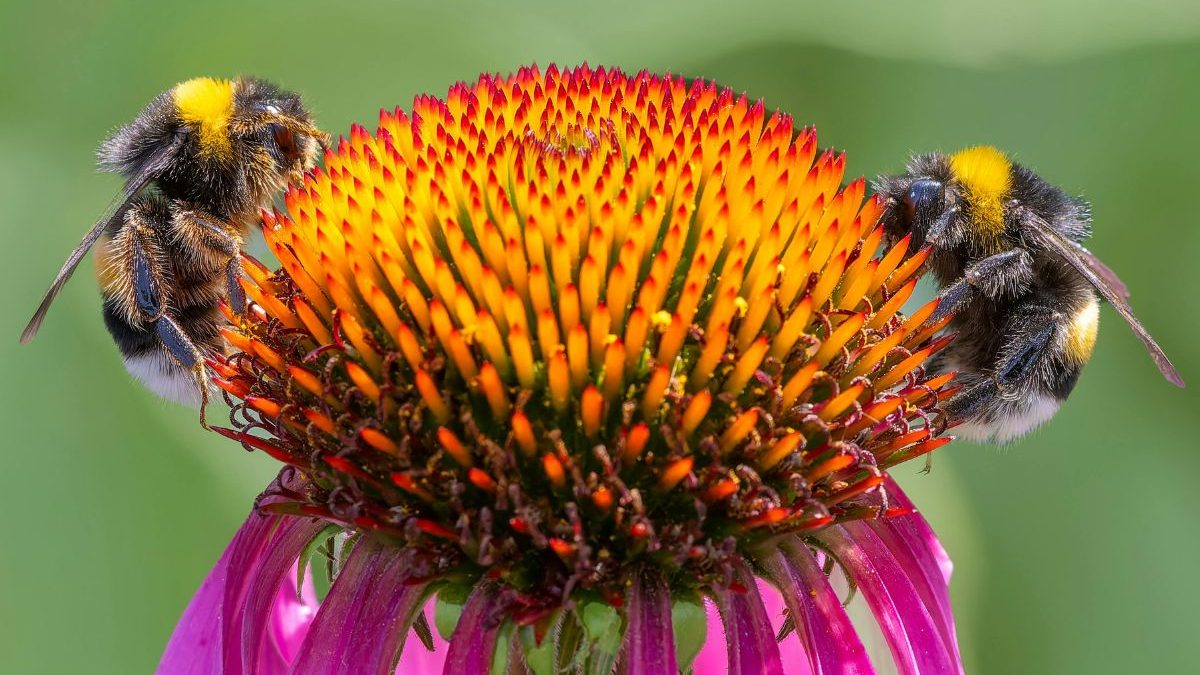
Flowers and Plants That Attract Pollinating Insects
Pollinating insects, such as bees, butterflies, moths, and beetles, are essential for healthy ecosystems and thriving gardens. By planting specific flowers and plants, you can create a haven for these helpful creatures. Here’s a list of pollinator-friendly plants along with a short overview of the insects they attract.
Pollinating Insects to Encourage
- Bees: Honeybees, bumblebees, carpenter bees.
- Butterflies: Monarchs, swallowtails, painted ladies.
- Moths: Hummingbird moths, sphinx moths.
- Beetles: Soldier beetles, flower beetles.
- Other Pollinators: Hoverflies, wasps, and even certain birds like hummingbirds.
Plants and Flowers That Attract Pollinators
1. Lavender (Lavandula spp.)
- Attracts: Bees, butterflies, hoverflies.
- Features: Vibrant purple flowers and a sweet scent, blooming from spring to summer.
- Benefits: Provides consistent nectar for a variety of pollinators.
2. Sunflowers (Helianthus annuus)
- Attracts: Bees, beetles, and butterflies.
- Features: Large, pollen-rich heads with bright yellow petals.
- Benefits: An excellent choice for bumblebees and native pollinators.
3. Milkweed (Asclepias spp.)
- Attracts: Monarch butterflies, bees.
- Features: Clustered flowers in pink, orange, or white.
- Benefits: Essential for monarch butterflies as a food source and host plant.
4. Coneflowers (Echinacea spp.)
- Attracts: Bees, butterflies.
- Features: Sturdy centers with bright pink or purple petals.
- Benefits: Long-lasting blooms that support pollinators throughout summer.
5. Bee Balm (Monarda spp.)
- Attracts: Bees, butterflies, hummingbirds.
- Features: Tubular flowers in red, pink, and purple shades.
- Benefits: A top choice for creating a vibrant pollinator garden.
6. Fruit Trees
- Attracts: Bees, butterflies.
- Features: Apple, peach, and cherry blossoms.
- Benefits: Provides early-season nectar for pollinators when most plants are dormant.
7. Herbs
- Attracts: Bees, butterflies.
- Features: Flowering herbs such as basil, mint, thyme, and coriander.
- Benefits: Easy to grow and ideal for small spaces or container gardening.
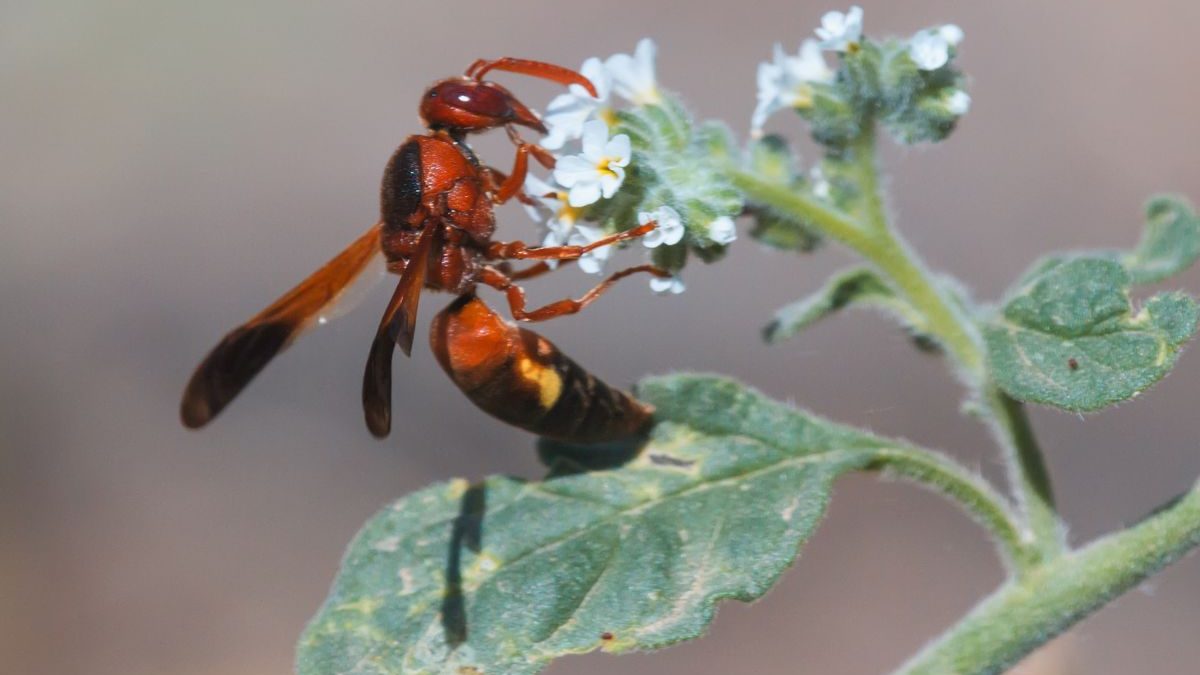
Tips for Supporting Pollinators
- Choose Native Plants: They are better adapted to local insects.
- Avoid Pesticides: Opt for organic solutions to protect pollinators.
- Provide Shelter: Include shrubs or nesting areas for insects.
- Offer Water: Shallow water sources like dishes with pebbles make excellent drinking spots.
Creating a pollinator-friendly garden filled with lavender, sunflowers, and milkweed will not only support pollinating insects but also boost your garden’s productivity. These plants and insects work hand-in-hand to maintain a sustainable and thriving environment.
By cultivating a garden filled with pollinator-friendly plants like lavender, milkweed, and sunflowers, you not only contribute to the environment but also enhance the health and productivity of your garden. Supporting pollinating insects is a step toward a sustainable and thriving ecosystem.