
In today’s world, inflation is impacting every aspect of life, and groceries are no exception. The soaring cost of fruits and vegetables has made essentials like tomatoes, bell peppers, and leafy greens increasingly inaccessible for many families. Grocery store visits often reveal skyrocketing prices, straining budgets and limiting access to fresh, healthy food. However, there’s a solution: embracing self-sufficiency through home gardening. Even with limited space, such as a terrace or balcony, growing your own produce offers significant savings. By using a few pots and cultivating easy-to-grow plants, families can enjoy fresh, organic vegetables while reducing their reliance on expensive store-bought goods. Home gardening isn’t just economical—it’s a step toward healthier, sustainable living.
Not only does home gardening save money, but it also provides control over food quality. Vegetables grown at home are free from pesticides and harmful chemicals, allowing families to enjoy truly organic produce. Even a small-scale container garden can yield a surprising amount of food, adding to self-sufficiency. And for those new to gardening, it’s a manageable way to start while ensuring access to the freshest ingredients right from their terrace or windowsill.

For city dwellers with limited space, container gardening is an ideal solution. Small pots or vertical planters can transform a terrace into a productive garden that’s both economical and enjoyable. Imagine picking your own tomatoes, herbs, or even leafy greens for meals, saving trips to the store and reducing grocery bills. Additionally, urban gardens can improve well-being, creating a green space that brings a touch of nature into everyday life.
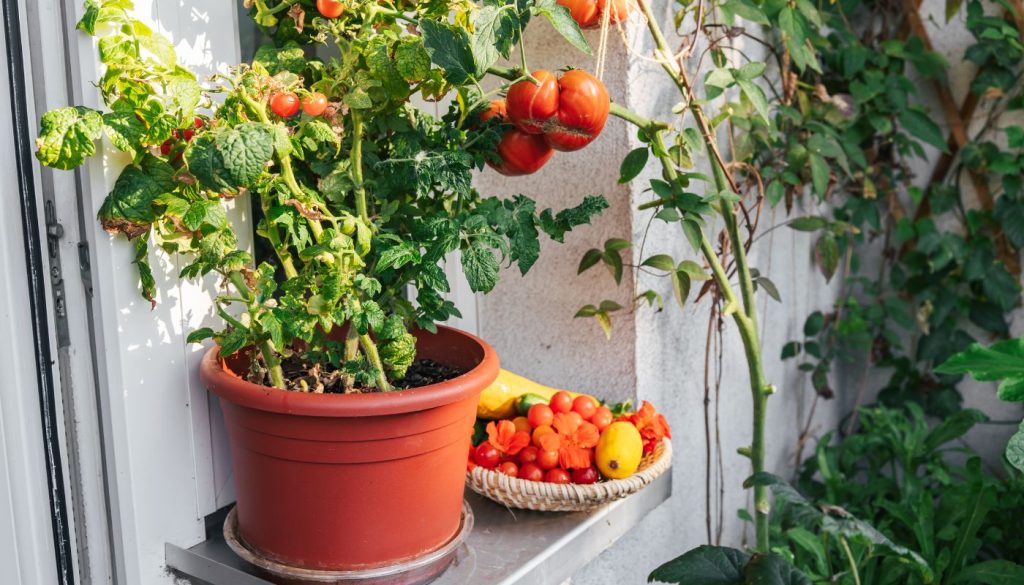
In the following guide, we’ll dive into practical tips to make gardening accessible for everyone, from seed selection to soil care and water management. These tips are designed to help you grow fresh produce sustainably, even on a budget, and enjoy the many benefits of having a home garden, whether large or small.
1. Choosing Budget-Friendly Seeds and Plants
Starting with cost-effective seeds and plants can save you significantly. Here’s a broad selection for every gardener’s needs:
- Top Heirloom Vegetables(reliable for seed saving and flavor):
- Tomatoes: ‘Brandywine,’ ‘Cherokee Purple,’ ‘San Marzano,’ ‘Mortgage Lifter’
- Peppers: ‘California Wonder,’ ‘Jalapeño,’ ‘Anaheim,’ ‘Banana Pepper’
- Beans: ‘Kentucky Wonder,’ ‘Blue Lake,’ ‘Royal Burgundy,’ ‘Provider’
- Squash: ‘Early Prolific Straightneck,’ ‘Yellow Crookneck,’ ‘Patty Pan’
- Cucumbers: ‘Boston Pickling,’ ‘Straight Eight,’ ‘Lemon,’ ‘Armenian’
- Easy-to-Save Seeds(for those who want to establish their seed bank):
- Lettuce: ‘Black-Seeded Simpson,’ ‘Buttercrunch,’ ‘Red Romaine’
- Peas: ‘Green Arrow,’ ‘Lincoln,’ ‘Wando,’ ‘Sugar Snap’
- Spinach: ‘Bloomsdale,’ ‘Tyee,’ ‘New Zealand,’ ‘Catalina’
- Basil: ‘Genovese,’ ‘Lemon Basil,’ ‘Thai Basil,’ ‘Purple Ruffles’
2. Composting and DIY Fertilizers
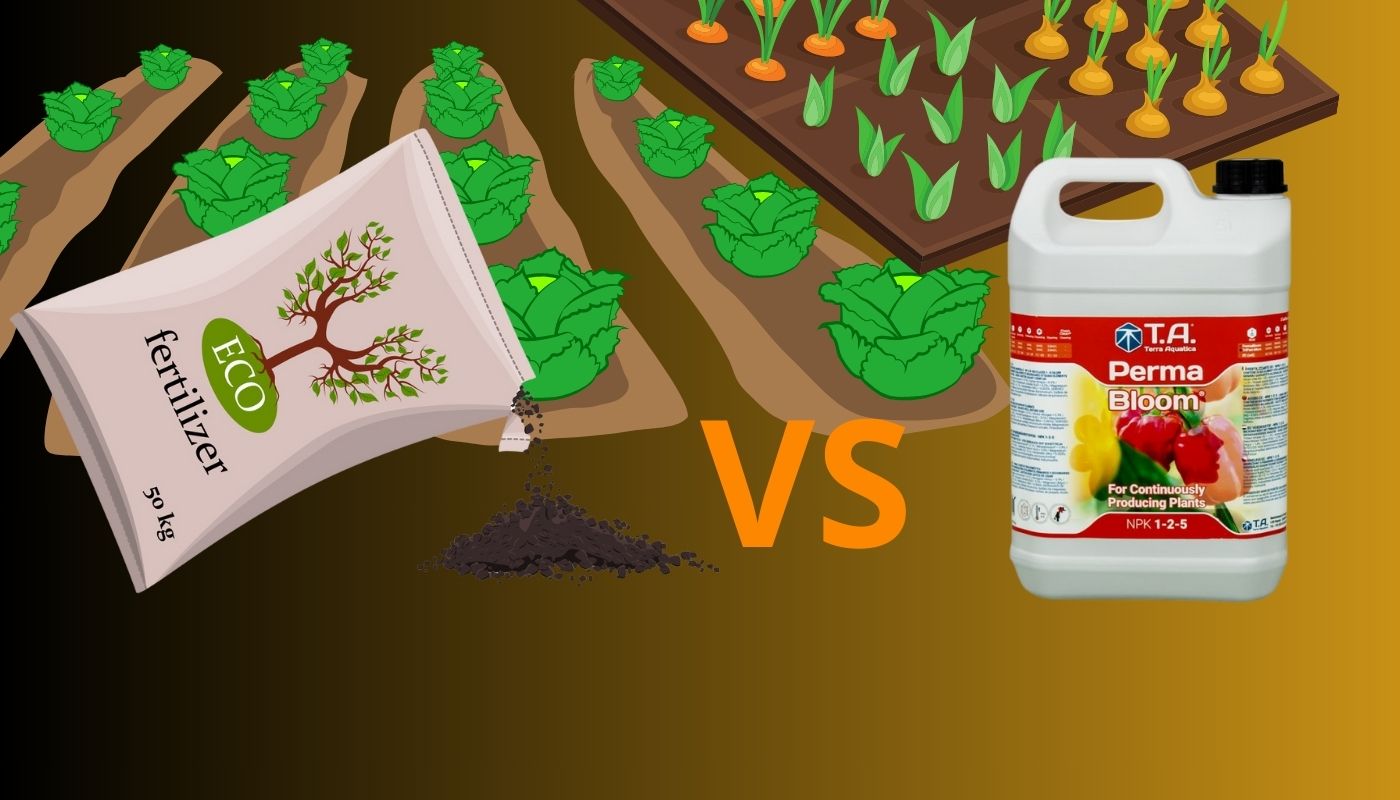
Creating your own compost and fertilizers is both budget-friendly and eco-friendly. Here are options to keep your garden thriving:
- Composting Ingredients for Nutrient Balance:
- Greens (High Nitrogen): Vegetable scraps, coffee grounds, grass clippings, tea leaves, seaweed.
- Browns (High Carbon): Dried leaves, straw, shredded cardboard, corn cobs, pine needles.
- DIY Fertilizers and Their Uses:
- Banana Peel Fertilizer: Potassium boost for tomatoes, peppers, and flowering plants.
- Comfrey Tea: Soak comfrey leaves in water to create a potassium and calcium-rich tea.
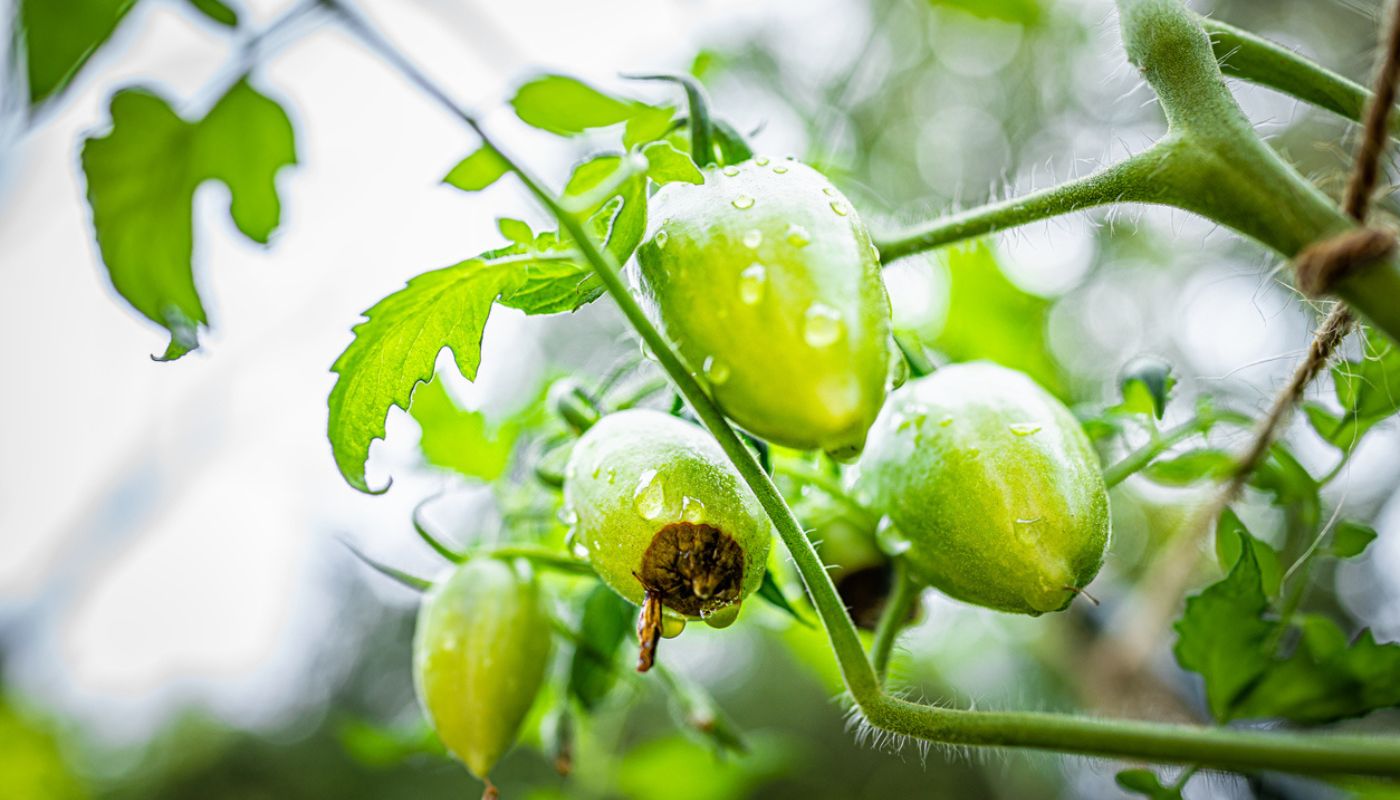
- Eggshell Calcium Boost: Crush and sprinkle around tomatoes and peppers to prevent blossom end rot.
- Wood Ash: Sprinkle around acidic soil-loving plants like beets, carrots, and spinach (avoid potatoes).
3. Efficient Watering Techniques
Smart watering practices can reduce both water usage and plant stress. Here’s how to adapt:
- Water-Saving Perennials and Drought-Tolerant Plants:
- Herbs: Sage, thyme, oregano, rosemary, lavender, marjoram.
- Flowers: Echinacea, black-eyed Susan, yarrow, Russian sage, daylilies.
- Succulents and Cacti: Aloe, hens and chicks, jade plant, sedum, prickly pear.
- Ornamental Grasses: Blue fescue, maiden grass, feather reed grass.
- Mulching Options(retains soil moisture and reduces watering frequency):
- Natural Mulches: Straw, shredded leaves, pine needles, bark chips.
- Living Mulches: Low-growing plants like clover, creeping thyme, or creeping jenny in between rows.
4. Repurposing Household Items for Garden Use
Household items can be excellent garden tools with a little creativity:
- DIY Planters for Vegetables and Herbs:
- Milk Jugs and Soda Bottles: Great for herbs, lettuce, spinach, and arugula.
- Old Buckets and Tubs: Deep enough for tomatoes, carrots, and potatoes.
- Egg Cartons and Paper Rolls: Ideal for starting seeds like basil, parsley, or mint.
- Repurposed Trellises and Supports:
- Old Bed Frames or Cribs: Perfect for climbing plants like beans, peas, or cucumbers.
- Unused Ladders or Bicycle Tires: Support vining crops like squash, pumpkins, or morning glories.
- Clothespins and Cloth Hangers: Use to support smaller plants, keeping them off the ground.
5. Focusing on Perennial Plants
Perennials are a great investment since they return each year. Here are options across different plant categories:
- Perennial Vegetables and Herbs:
- Vegetables: Asparagus, rhubarb, artichokes, horseradish.
- Herbs: Sage, thyme, oregano, chives, mint, fennel.
- Perennial Berries and Fruit Trees:
- Berry Bushes: Blueberries, raspberries, blackberries, strawberries.
- Fruit Trees: Apple, pear, cherry, peach, fig, persimmon, pomegranate.
- Vines: Grapes (Concord, Thompson Seedless), kiwi, hardy kiwi.
6. Natural Pest Control Solutions
Using natural pest control can save money and maintain a healthy garden ecosystem.
- Companion Plants to Deter Pests:
- Tomatoes: Basil (repels flies, mosquitoes), marigold (deters nematodes).
- Cabbage Family: Dill, sage, and mint repel cabbage moths and aphids.
- Carrots: Onions and leeks help deter carrot flies.
- Strawberries: Plant borage to attract pollinators and repel pests.
- DIY Natural Pest Sprays:
- Garlic-Chili Spray: Effective against aphids, beetles, and caterpillars.
- Neem Oil Spray: Works on most pests but especially effective against mites, aphids, and whiteflies.
- Soapy Water Spray: Mild dish soap in water can deter aphids and spider mites (avoid use on delicate plants).
7. Maximizing Growing Space
Maximizing space with vertical growing and container-friendly choices expands what you can grow, even in small gardens.
- Top Vertical Plants(great for limited space):
- Vines and Climbers: Pole beans, cucumbers, peas, gourds, melons.
- Tomatoes (Indeterminate): Varieties like ‘Sweet 100, Yellow Pear, Brandywine.
- Trailing Squash and Pumpkins: Use a sturdy trellis to grow varieties like Spaghetti Squash, Butternut.
- Container-Friendly Vegetables and Herbs:
- Shallow Root Vegetables: Radishes, lettuce, spinach, arugula, bok choy.
- Herbs: Basil, thyme, parsley, cilantro, dill, oregano.
- Compact Tomatoes: Tiny Tim, Balcony Yellow, Tumbling Tom.
8. Vegetables You Can Grow at Home (Indoor and Outdoor)
Cool-Season Vegetables (Spring and Fall):
- Leafy Greens: Lettuce, spinach, kale, Swiss chard, arugula. These are ideal for cooler weather and can be easily grown in containers on a balcony or in an indoor garden.
- Root Vegetables: Potatoes, carrots, beets, radishes, turnips, and parsnips thrive in cooler seasons and are perfect for raised beds or deep containers.
- Cole Crops: Broccoli, cauliflower, Brussels sprouts, cabbage, and kohlrabi are excellent for fall and spring planting and are hardy in cooler temperatures.
Warm-Season Vegetables (Summer):
- Heat-Loving Plants: Tomatoes, peppers, and eggplants love the summer heat and can be grown in pots, on patios, or outdoors.
- Fast-Growing Annuals: Beans, zucchini, summer squash, and cucumbers grow quickly and are perfect for small spaces. You can easily grow them in containers or vertical gardens to save space.
- Climbing Vegetables: Peas and climbing beans are great options for vertical gardening, especially if you’re short on space.
Fruits You Can Grow at Home (Indoor and Outdoor)
Fruits Perfect for Home Growing:
- Small Fruits: Strawberries (in pots or containers), raspberries, and blackberries are perfect for small home gardens and provide delicious, fresh fruits.
- Citrus Fruits: Dwarf lemon, orange, and mandarin trees are perfect for growing indoors or in pots, allowing you to enjoy fresh citrus fruits throughout the year.
- Berries: Blueberries and currants can be grown in containers or small garden beds, offering healthy and tasty fruits.
- Tropical Fruits Indoors: If you have a sunny spot or greenhouse, you can grow tropical fruits like pineapple and papaya.
9. Networking and Community Resources
Join local and online gardening communities for extra help and inspiration.
- Gardening Forums and Groups(connect with fellow gardeners):
- Reddit (r/gardening): Great resource for beginners and experienced gardeners alike.
- GardenWeb Forums: A long-standing online gardening community with active discussions.
- Local Community Gardens and Workshops:
- Cooperative Extension Offices: Often provide free classes, seed exchanges, and plant sales.
- Farmers’ Markets and Gardening Clubs: Local events to meet like-minded gardeners and access local plant varieties.
Conclusion
With these in-depth tips, you’re ready to start a cost-effective garden filled with hardy, productive plants. Use the suggested plants and methods to create a sustainable garden that brings enjoyment year-round. Adding photos of your garden in each stage will help track your progress and inspire others! Happy gardening!
| Name | Yield per Plant (kg) | Yield per Square Meter (kg) |
|---|---|---|
| Tomato | 4-6 kg | 8-12 kg |
| Bell Pepper | 1-2 kg | 4-8 kg |
| Eggplant | 2-4 kg | 5-8 kg |
| Cucumber | 3-4 kg | 8-12 kg |
| Zucchini | 3-5 kg | 10-12 kg |
| Potato | 1-2 kg | 4-8 kg |
| Carrot | 1-2 kg | 3-5 kg |
| Onion | 0.5-1 kg | 2-3 kg |
| Garlic | 0.5 kg | 2 kg |
| Spinach | 2-3 kg | 5-7 kg |
| Lettuce | 1-2 kg | 4-6 kg |
| Cabbage | 3-4 kg | 6-8 kg |
| Broccoli | 0.5-1 kg | 2-3 kg |
| Cauliflower | 0.5-1 kg | 2-3 kg |
| Beetroot | 1-2 kg | 3-5 kg |
| Radish | 0.2-0.5 kg | 1-2 kg |
| Green Beans | 1-1.5 kg | 4-5 kg |
| Peas | 0.5-1 kg | 2-3 kg |
| Sweet Corn | 1-2 ears (0.3-0.5 kg) | 2-3 kg |
| Leek | 0.5-1 kg | 2-3 kg |
| Sweet Potato | 1-2 kg | 4-8 kg |
| Strawberry | 0.5-1 kg | 1-2 kg |
| Raspberry | 1-2 kg | 2-4 kg |
| Blackberry | 2-3 kg | 3-5 kg |
| Apple | 20-30 kg (mature tree) | 20-30 kg |
| Pear | 15-25 kg (mature tree) | 15-25 kg |
| Peach | 15-30 kg (mature tree) | 15-30 kg |
| Apricot | 10-20 kg (mature tree) | 10-20 kg |
| Plum | 10-25 kg (mature tree) | 10-25 kg |
| Cherry | 10-20 kg (mature tree) | 10-20 kg |
| Lemon | 10-15 kg (mature tree) | 10-15 kg |
| Orange | 10-20 kg (mature tree) | 10-20 kg |
| Fig | 10-15 kg (mature tree) | 10-15 kg |
| Banana | 20-30 kg | 20-30 kg |
| Grapes | 3-6 kg | 5-10 kg |
| Watermelon | 8-12 kg | 8-12 kg |
| Melon | 2-3 kg | 3-5 kg |
| Butternut Squash | 3-5 kg | 8-10 kg |
| Pattypan Squash | 2-4 kg | 5-8 kg |
| Turnip | 1-2 kg | 2-4 kg |
| Chili Pepper | 0.5-1 kg | 2-3 kg |
| Basil | 0.5 kg (fresh leaves) |